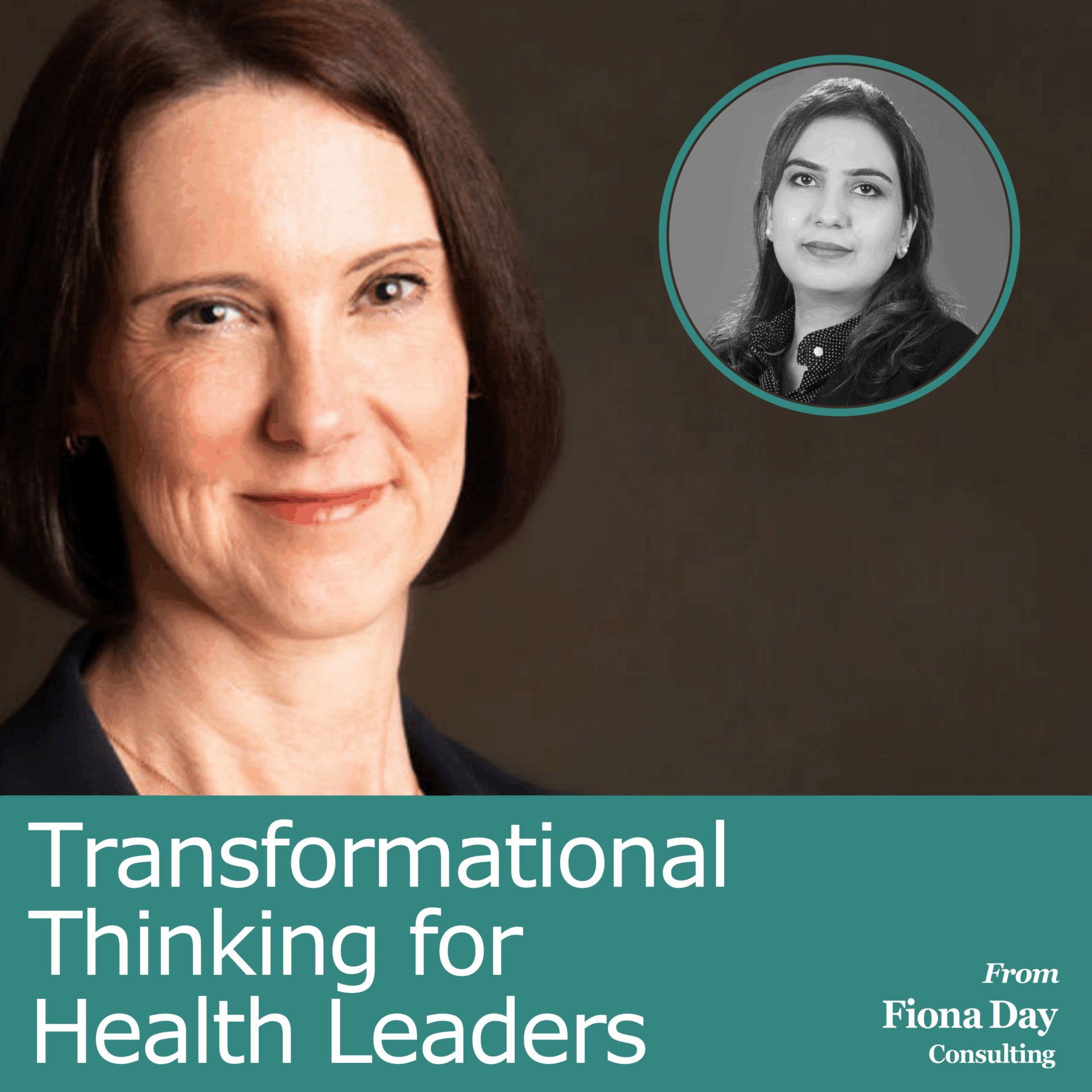

In this episode of Transformational Thinking for Health Leaders, I had the privilege of speaking with Dr Ahsana Nazish, a public health leader whose work spans clinical medicine, hospital management, global health programmes, and digital transformation. Her journey from a young doctor in Pakistan to a leader shaping system-level change is both inspiring and instructive for anyone working in complex health settings.
Ahsana currently oversees a network of primary care filter clinics across Punjab, providing screening and early treatment for liver and kidney diseases including hepatitis C. Her leadership sits at the intersection of health policy, resource constraints, digital innovation, and community trust — and our conversation revealed profound insights about what it means to lead with courage and purpose in challenging environments.
What This Means for Health Leaders
What struck me most was how early patient interactions shaped her leadership identity. She described listening to patients who faced long waiting times, high out-of-pocket costs, and fragmented services, and realising instinctively that “these problems couldn’t really be solved within the clinic alone”.
This recognition — that sustainable change lives at the system level — is a hallmark of transformational leadership.
Ahsana also spoke candidly about the realities of leading as a woman within a cultural context where assertive leadership is often misinterpreted. As she noted, “being a woman in leadership in Pakistan comes with its own set of challenges… you’re sometimes seen as difficult or ill-mannered.”
Her reflections echo what I often hear in coaching conversations with senior women globally: that the work of leadership is not only strategic, but also deeply personal.
Another core thread was her commitment to partnership working. Whether dealing with procurement, digital infrastructure gaps, or rural staffing, she returns repeatedly to the value of listening deeply, engaging stakeholders, and creating alignment. It’s a reminder that in public health leadership, relationships are often the most powerful tool we have.
Applying the Insight
For health leaders navigating complexity, several lessons emerge clearly from Ahsana’s experience:
- Stay close to the problem. Leadership begins with understanding lived realities — what patients feel, what teams face, and what systems actually allow.
- Use vision to build momentum. People follow a future they can see themselves in. Ahsana’s ability to articulate purpose has been central to overcoming scepticism.
- Lead relationally. Trust-building across teams, communities, and government partners underpins durable system change.
- Hold courage and compassion together. Women in leadership, in particular, often balance these qualities in unique and powerful ways.
- Let evidence guide action. Her doctoral work on cost-effective screening models illustrates how research can directly strengthen decision-making and equity in low-resource settings.
In my coaching with public health leaders, I often see how these principles create the psychological grounding needed to sustain impact over the long term. Leadership is never only technical — it is emotional, relational, and reflective.
Key Takeaways
- Women’s leadership is essential to strengthening resilient, equitable public health systems.
- Transformational leadership grows from purpose, persistence, and partnership.
- System-level change requires empathy, vision, and evidence-informed action.
Mini-FAQ
What leadership challenges did Ahsana highlight?
She emphasised digital infrastructure gaps, rural workforce shortages, procurement constraints, and gendered expectations around leadership behaviour.
How does her doctoral research contribute to public health?
It evaluates cost-effective hepatitis C screening strategies in Pakistan, generating evidence that can inform national policy and health system financing across low- and middle-income countries.
Listen and Learn More
You can listen to the full conversation with Dr Ahsana Nazish via Transformational thinking for health leaders podcast
A podcast that will help you meet your most complex leadership challenges. This podcast from Coach and Chartered Coaching Psychologist Dr Fiona Day will transform your perspectives. It will help you become a more effective and creative leader, with a deeper understanding of yourself and your own world of work. Fiona interviews other medical and public health leaders, generating thought-provoking, and dialectical dialogues. You’ll hear inspirational stories and real-world insights which will help you do your own best work now and into the future.
The link to the podcast is here:
Reflective Practice Questions
- How does your personal leadership journey influence the systems you choose to change?
- What barriers — cultural, organisational, or internal — have shaped your leadership, and how have you navigated them?
- Where could deeper partnership working strengthen the impact of your current projects?
- How might evidence and data support your next leadership decision?
- What does courage look like in your context at this moment in your career?
Dr Fiona Day is a Chartered Coaching Psychologist accredited by the British Psychological Society, and by EMCC as a Master Practitioner Coach & Mentor.
Book a Confidential Consultation today!
She has experience as a system and Board-level medical and public health leader. Fiona focuses on coaching medical and public health leaders, and also trains health leaders in coaching and mentoring skills at EMCC EQA Foundation Level. Get 3 hours of FREE CPD with Fiona’s ‘Health Career Success Programme’ here, and listen to her podcast ‘Transformational Thinking for Health Leaders’ here.