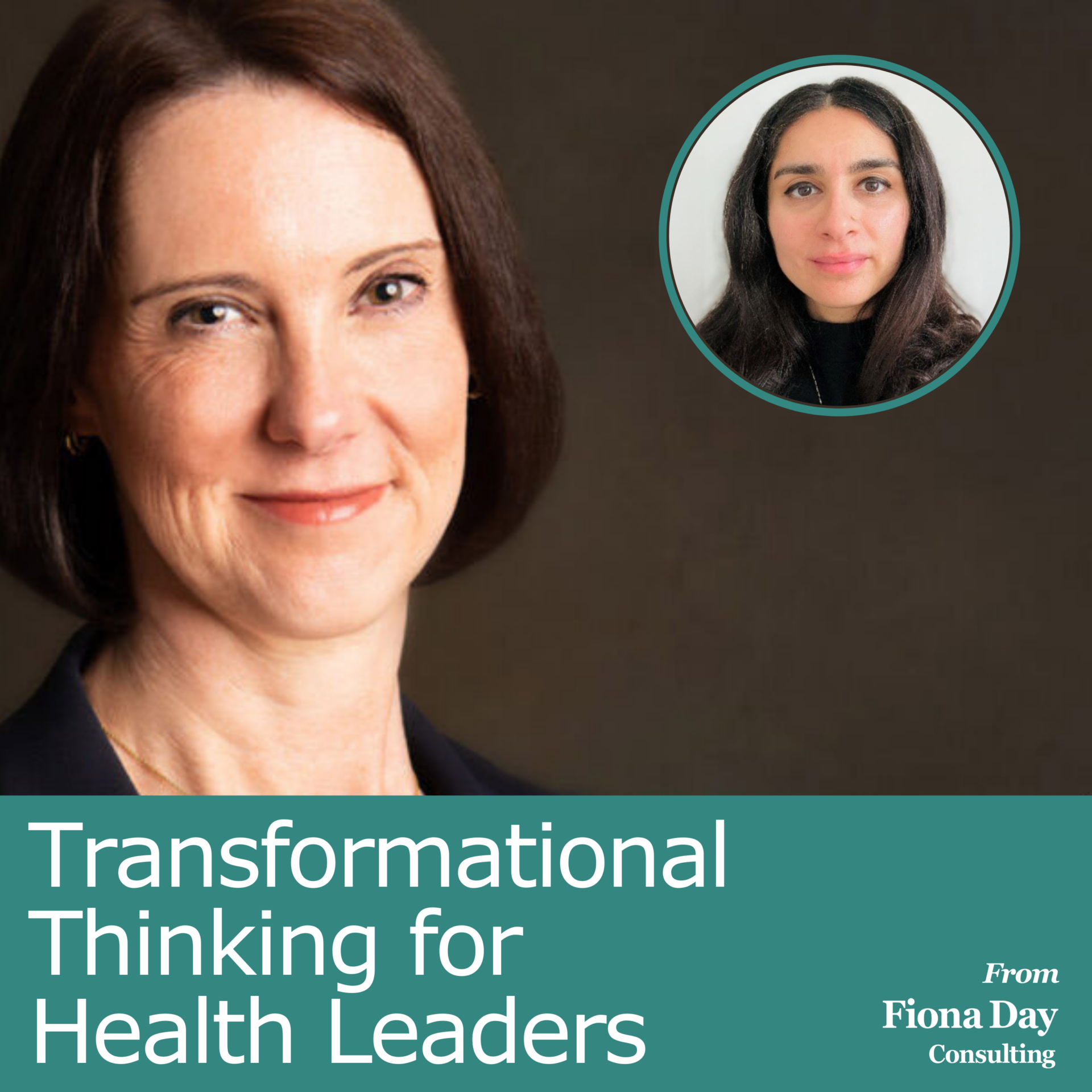

In today’s complex health landscape, public health policies often fall short of their intended impact. Understanding how to bridge the gap between policy intentions and real-world implementation is key to creating effective, inclusive change. In a recent episode of my podcast, Transformational Thinking for Health Leaders, I had the pleasure of speaking with Meherunissa Hamid, a public health professional pursuing a Doctorate in Public Health (DRPH) at the London School of Hygiene and Tropical Medicine.
With her extensive experience in Pakistan—spanning research, reproductive health, and managing multidisciplinary teams—Meherunissa has developed a deep understanding of how to shape policies that better reflect the lived experiences of those most affected by them. In this blog, I’ll share highlights from our conversation, including the challenges of translating policy into action, the importance of diverse leadership, and what we can learn from listening to communities.
Listen to the Podcast Here
From Biomedical Science to Community Impact
Meherunissa’s journey into public health began with a background in biomedical sciences and molecular biology. However, upon returning to Pakistan, she quickly saw the need to shift her focus to development and healthcare delivery. Her early projects included reproductive health research in rural areas and national initiatives like expanding childhood tuberculosis programmes.
These experiences gave her a front-row seat to the complexities of healthcare access. Working closely with women from vastly different socio-economic backgrounds taught her the importance of cultural sensitivity, adaptability, and collaborative leadership.
Bridging the Gap Between Policy and Practice
One of the most powerful insights Meherunissa shared was the disconnect that often exists between policy intentions and their real-world impact. She stressed that effective health interventions require both top-down and bottom-up approaches.
- Top-down: Policy changes driven by data and evidence.
- Bottom-up: Incorporating the lived experiences of those directly affected by these policies.
Her doctoral research reflects this philosophy. For one of her key studies, she analysed how postgraduate admissions processes at the London School impacted applicants from diverse backgrounds. By highlighting both formal and informal barriers, her findings helped inform the school’s policies around equity and access.
This emphasis on listening to marginalised voices continues in her current work, where she’s exploring how social care workforce training policies affect women from diverse backgrounds.
Developing Essential Leadership Skills
Working in rural Pakistan and managing large-scale health interventions provided Meherunissa with early leadership experience—particularly in managing diverse teams. She highlighted that balancing differing perspectives and fostering collaboration were both challenging and rewarding.
During her Doctorate in Public Health, she further honed her skills in:
- Project management
- Policy analysis
- Stakeholder engagement
- Qualitative research
Adaptability, she emphasised, has been one of the most crucial skills for addressing complex global health issues. Leaders must remain flexible and responsive to the needs of both policymakers and local communities.
Listen to the Podcast Here
The Role of Trust in Research
Trust is a cornerstone of successful public health research. Meherunissa spoke about how trust—often built through word of mouth and community referrals—was critical in gaining the participation of women care workers in her current study.
By creating a safe, respectful environment, she was able to gather honest, valuable insights into how policies shape the everyday experiences of frontline care workers. As health leaders, we must always consider how to build and sustain trust with the communities we serve.
Vision for the Future: Policy, Equity, and Leadership
Looking ahead, Meherunissa envisions a career at the intersection of global health policy, women’s health, and workforce diversity. She aims to take on advisory roles within multilateral organisations, using her experience to influence policies that promote systemic equity and inclusion.
Interestingly, she also hopes to maintain a role in academia through teaching and mentorship—bridging the gap between research and practice while nurturing the next generation of public health leaders.
Key Lessons for Public Health Leaders
Meherunissa shared three key lessons from her career so far:
- Policy intentions don’t always equal impact.
- Understanding the real-life experiences of policy recipients is essential to improving effectiveness.
- Complex issues require both top-down and bottom-up approaches.
- Evidence and lived experience must inform each other to create equitable, actionable solutions.
- Mentorship is transformative.
- Honest and accountable mentorship builds confidence, provides guidance, and helps leaders navigate challenges.
These lessons are invaluable for anyone seeking to lead in today’s rapidly evolving health landscape.
Listen to the Podcast Here
Final Thoughts: Inclusive Leadership for the Future
Our conversation reminded me of the importance of combining research, policy, and community engagement to drive meaningful change. Health leaders must not only develop data-driven strategies but also ensure that policies are grounded in the lived experiences of those they aim to serve.
As you reflect on your own leadership journey, I encourage you to think about how you can foster trust, inclusivity, and collaboration in your work. To hear more from Meherunissa, listen to the full podcast episode.
And if you’re ready to take your career to the next level, visit www.fionadayconsulting.co.uk. When you sign up for my newsletter, you’ll receive access to the Health Career Success Programme—three hours of free CPD designed to support you as a medical or public health leader.
Here’s to building a more equitable and impactful future for health and care!
Reflective Questions for Health Leaders
As you think about the themes explored in this blog, consider the following questions to guide your leadership development:
- How do you currently ensure that your policies or interventions reflect the lived experiences of those impacted by them?
- What opportunities do you have to strengthen trust with the communities or teams you work with?
- How do you balance top-down evidence with bottom-up insights when addressing complex challenges?
- What skills have you developed over the past few years that have made you more adaptable in your leadership?
- Who has influenced your leadership journey, and how can you provide mentorship to others in your field?
Listen to the Podcast Here
Dr Fiona Day is the world’s only Leadership Coach with advanced coaching psychology, medical and public health qualifications (MBChB, FFPH, BPS Chartered Psychologist in Coaching Psychology, EMCC Master Practitioner Coach & Mentor) and is in a unique position to help you and your teams to flourish. Fiona specialises in coaching medical and public health leaders, is a coach Supervisor, and an EQA Foundation Award Holder. Get 3 hours of FREE CPD with Fiona’s Health Career Success Programme here. Book a free confidential 30 minute Consultation with Fiona here. Subscribe and listen to her Podcast ‘Transformational Thinking for Health Leaders’ here.